
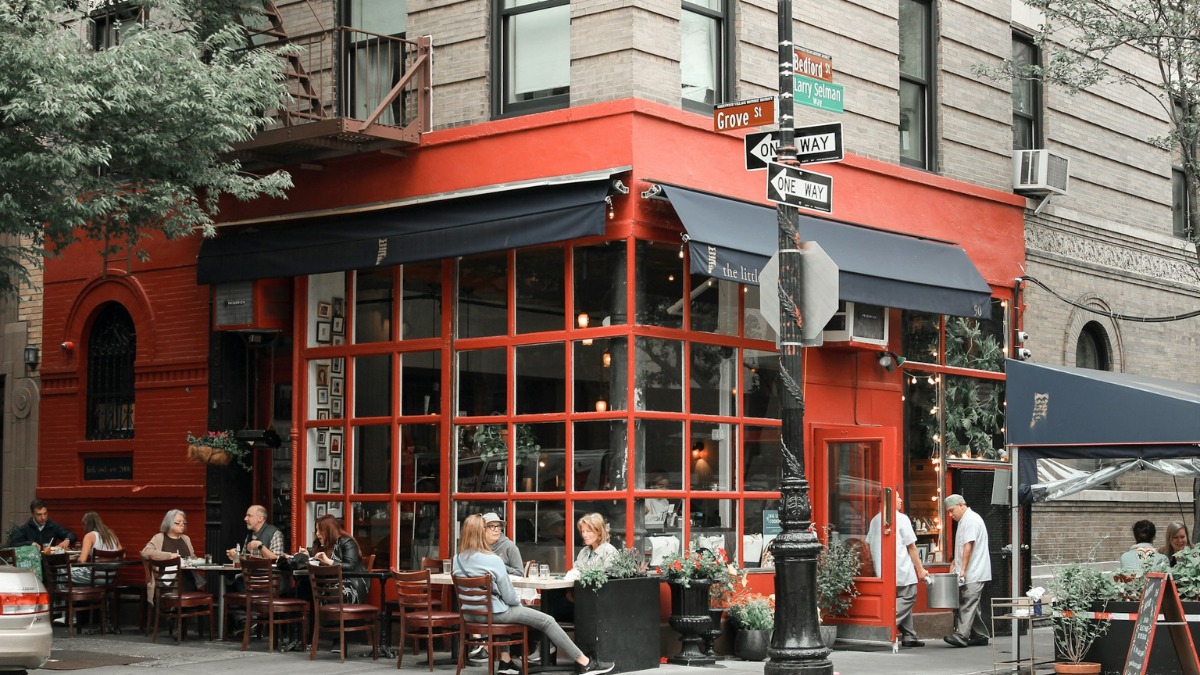
In New York's restaurant scene, speed is everything. When the phone rings during a dinner rush in Manhattan or a busy weekend in Brooklyn, there's often no one available to answer it. The result? Lost orders, frustrated customers, and missed revenue.
This is where AI phone answering for restaurants is making a real difference. In this guide, you'll learn how restaurant call automation software works, how it fits into the fast-paced New York market, and how it helps restaurants capture more orders, streamline reservations, and provide consistent service — without overloading staff.
Why New York Restaurants Struggle with Phone Calls
Running a restaurant in New York comes with unique challenges: high customer volume especially during peak hours, limited staff juggling in-house and phone orders simultaneously, and strong competition where customers quickly move on.
Most restaurants still rely on staff to answer calls manually. During busy periods, calls go unanswered or are rushed, leading to missed takeout and delivery orders, incorrect orders due to noise or pressure, and lost reservations. Even missing 10–15 calls a day in New York can mean significant lost revenue over time.
What Is AI Phone Answering for Restaurants?
An AI receptionist for restaurants is a voice-based system that answers incoming calls and interacts with customers in real time. Unlike traditional systems, a modern restaurant voice assistant can understand natural speech, take orders accurately, book reservations, and answer common questions.
Consider this scenario: a customer calls and says "I'd like to reserve a table for two at 8 PM tonight." The system checks availability and confirms instantly — without putting the customer on hold. This level of automation is especially valuable in a city where customers expect quick, seamless service.
How AI Phone Answering Increases Restaurant Revenue
Many restaurant owners initially view automation as a convenience tool. In reality, it's a revenue driver.
A 24/7 restaurant call handling system ensures every customer call is answered — during peak hours, after closing time, and when staff are unavailable. More answered calls directly translate into more orders and bookings. In New York, customers rarely wait on hold, so instant responses improve conversion rates for takeout and reservations significantly.
With AI order taking for restaurants, systems can naturally suggest add-ons like drinks, sides, and desserts — increasing average ticket size without additional staff effort. Clear confirmations also help prevent mistakes caused by noisy kitchens or rushed conversations, and staff can focus on in-person service while the restaurant phone answering service handles repetitive calls.
Key Features to Look for in Restaurant Call Automation Software
The system should handle real conversations including the accents and variations common in New York. Orders should sync directly with your kitchen or POS system. A reliable restaurant reservation automation system should check availability in real time, confirm bookings instantly, and reduce double-booking risks.
Your AI should reflect your actual menu, including specials and seasonal items. Look for analytics insights like call volume, missed call reduction, and revenue impact to understand ROI clearly.
How to Stop Missing Restaurant Phone Calls
Start by measuring the problem — track the number of daily calls, missed calls, and peak call times. Identify gaps including staff overload during rush hours, limited phone lines, and no after-hours support.
Introduce AI gradually starting with overflow call handling and after-hours automation, then expand into full AI receptionist for restaurants functionality. Optimize over time by training the system using your menu, frequently asked questions, and customer behavior patterns. Monitor results by looking for improvements in call answer rates, order volume, and customer satisfaction.
Real-World Example: New York Restaurant Use Case
A mid-sized restaurant in Queens struggled with high call volumes during weekends. Before AI, they experienced frequent missed calls, staff stress during peak hours, and lost takeout orders. After implementing a restaurant voice assistant, nearly all calls were answered, takeout orders increased by around 20–25%, and front-of-house operations became significantly smoother. This kind of improvement is common when automation is applied thoughtfully.
Is AI Right for Your Restaurant?
AI fits best for high call volume restaurants, takeout-heavy businesses, multi-location restaurants, and restaurants with staffing challenges. It may not be necessary for businesses with very low call traffic or highly specialized, custom-order environments.
FAQ: AI Phone Answering for Restaurants in New York
1. Can AI handle complex restaurant orders?
Yes, modern systems are trained on your menu and can manage detailed orders with confirmation steps to ensure accuracy.
2. Will customers accept AI answering calls?
Most customers care about speed and accuracy. If the experience is smooth, acceptance is generally high.
3. How does AI help with reservations?
A restaurant reservation automation system can check availability, book tables, and send confirmations without human involvement.
4. Does it work after hours?
Yes. A 24/7 restaurant call handling system ensures your restaurant never misses a call — even when closed.
5. Is it expensive to implement?
Costs vary, but many restaurants find it more cost-effective than hiring additional staff for call handling.
Conclusion
In a fast-moving market like New York, missed calls aren't just small inefficiencies — they're lost revenue opportunities. By using AI phone answering for restaurants, businesses can capture more orders, improve customer experience, reduce pressure on staff, and operate efficiently around the clock. The goal isn't to replace human service, but to support it where it matters most. If you're looking to improve how your restaurant handles calls, evaluate your current process and explore how automation can fill the gaps.