
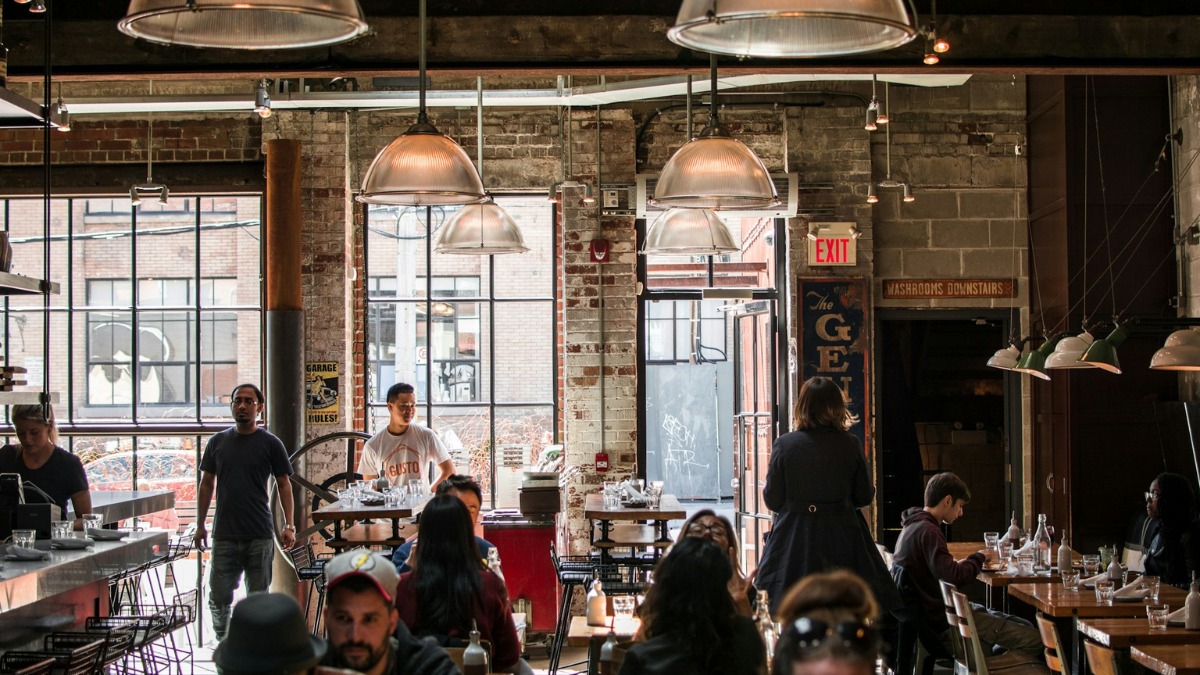
Managing phone calls across one restaurant is difficult enough. Managing them across five, ten, or fifty locations is a completely different challenge. During peak hours, staff are already overwhelmed handling in-person guests, online orders, and kitchen coordination. Phones often become an operational bottleneck.
For multi-location restaurant brands, this creates missed calls, inconsistent customer experiences, lost reservations, abandoned takeout orders, staffing inefficiencies, and negative reviews.
That's why more restaurant groups are investing in AI phone answering for restaurants and advanced restaurant call automation software to manage customer communication at scale. Whether you operate a regional fast-casual chain, franchise group, or hospitality brand with multiple locations, this guide will help you understand how restaurant call automation is evolving in 2026.
Why Multi-Location Restaurants Struggle With Phone Management
Phone calls may seem simple on the surface, but operationally they create constant interruptions. As brands grow, phone management becomes increasingly fragmented.
Inconsistent Guest Experience
One location answers quickly. Another sends calls to voicemail. Customers notice inconsistency immediately — a guest calling downtown should receive the same quality as someone calling a suburban branch.
High Volume During Peak Hours
Lunch and dinner rushes create call spikes that overwhelm front-of-house staff. Especially common for pizza chains, fast casual restaurants, sushi restaurants, and sports bars.
Staffing Shortages
Restaurant labor shortages continue affecting operations. Many groups cannot justify hiring dedicated phone staff for every location — driving demand for AI receptionist systems.
Lost Revenue From Missed Calls
A missed call could be a reservation for eight guests, a catering inquiry, a high-value repeat customer, or a large takeout order. Across multiple locations, these losses compound quickly.
What Is Restaurant Call Automation Software?
Restaurant call automation software uses conversational AI to answer and manage customer calls automatically. Instead of relying entirely on staff, the system handles common interactions in real time. Unlike older automated phone trees, newer systems are conversational and designed to sound natural — customers can speak normally instead of navigating frustrating menus.
What Modern Restaurant Voice Assistants Can Do
Without AI
A customer calls a busy regional burger chain at 7:45 PM. The restaurant is packed. They hear: "Please hold…" — and hang up.
With AI
Staff stay focused. Customer gets fast service.
How AI Phone Answering Increases Restaurant Revenue
One of the biggest reasons restaurant groups adopt automation is revenue recovery.
Fewer Missed Orders
AI order taking captures overflow calls, peak-hour demand, late-night requests, and repeat customer orders. For high-volume chains, recovering even a small percentage of missed calls creates meaningful monthly revenue growth.
Increased Reservation Bookings
Customers book with the first restaurant that answers. AI increases completion rates, after-hours bookings, and large-party reservations — especially valuable for fine dining and busy urban restaurants.
Better Operational Efficiency
Phone interruptions slow down service. AI handles business hour questions, reservation requests, menu inquiries, and delivery status — improving overall workflow efficiency.
Consistent Experience Across Locations
AI standardizes greeting quality, reservation processes, FAQ responses, and order confirmations. That consistency strengthens customer trust and brand perception.
Key Features Multi-Location Restaurants Should Look For
Not every AI phone system is designed for restaurant chains. Multi-location operations require more advanced routing, reporting, and customization.
Location-Based Call Routing
Automatically identifies and routes callers to the correct location, reducing confusion and improving customer experience.
Centralized Management Dashboard
Provides visibility across all locations — call volume, missed calls prevented, reservation conversions, peak times, and order trends.
POS & Reservation Integrations
Works with Toast, Square, Clover, OpenTable, Resy, and Google Reservations. Reduces manual work and improves accuracy.
AI Order Taking
Confirms modifications, understands menu variations, handles combos, and reduces misunderstandings — critical for franchises where menus vary by location.
24/7 Call Handling
Captures reservations overnight, handles catering inquiries, provides automated support, and answers FAQs anytime — without increasing staffing costs.
Common Mistakes When Implementing AI Call Systems
Not every implementation succeeds immediately. Here are mistakes operators should avoid.
Choosing Generic Software
Generic business answering systems struggle with menu-specific questions, reservation logic, peak-hour traffic, and restaurant terminology. Choose a provider built for hospitality.
Ignoring Staff Training
Employees should understand how calls escalate, when humans take over, how reservations sync, and how orders appear in systems. Training reduces confusion.
Over-Automating Sensitive Situations
Guest complaints, VIP reservations, allergy concerns, and complex catering discussions still require human attention. Strong systems escalate these automatically.
Not Monitoring Analytics
Many operators install automation but never review performance. Regularly tracking missed call reductions, conversions, and satisfaction helps optimize long-term results.
How to Stop Missing Calls Without Adding More Staff
One of the biggest misconceptions is that solving missed calls requires hiring more employees. In reality, most restaurants need better call management systems, not larger front-desk teams.
AI Phone Answering Helps Restaurants
Simultaneous
Handle multiple calls at once
Zero Wait
Eliminate hold times
Peak Ready
Manage rush-hour demand
Consistent
Same quality across locations
Lean Ops
Support leaner operations
Scalable
Grows with your brand
For growing restaurant brands, automation becomes increasingly important as scale increases.
FAQ: Restaurant Call Automation Software
AI phone systems answer customer calls automatically using conversational AI. They can take reservations, answer questions, process orders, and transfer calls when needed.
Yes. Modern restaurant call automation software can manage location-based routing, separate menus, custom business hours, and centralized reporting for multi-location operations.
Most restaurants use AI to support staff, not replace them. The goal is to reduce repetitive phone interruptions so teams can focus on guest service.
Yes. Advanced AI order-taking systems confirm items, modifiers, and pickup details to reduce ordering mistakes and improve efficiency.
A 24/7 system helps restaurants capture reservations, catering inquiries, and customer questions outside normal operating hours without relying on voicemail.
Final Thoughts
As restaurant groups grow, managing customer communication across locations becomes increasingly difficult. Missed calls, inconsistent service, and overwhelmed staff directly impact revenue and guest experience.
The Right System Helps Multi-Location Brands
Most importantly, automation allows restaurant teams to spend less time managing phones and more time delivering great hospitality. If you're evaluating restaurant phone answering solutions, the next step is comparing restaurant-specific platforms, testing real-world call scenarios, and identifying where missed calls are affecting your business most.
Ready to Scale Your Call Handling?
Join multi-location restaurant brands using AI to deliver consistent, reliable customer communication across every location.